Buy indiaozone.com ?
We are moving the project
indiaozone.com .
Are you interested in purchasing the domain
indiaozone.com ?
domain@kv-gmbh.de · 0541-91531010
Buy indiaozone.com ?
What are semi-synthetic plastics and synthetic plastics?
Semi-synthetic plastics are materials that are derived from natural polymers, such as cellulose or starch, and then chemically modified to improve their properties. Examples of semi-synthetic plastics include cellulose acetate and rayon. On the other hand, synthetic plastics are entirely man-made materials produced from chemical reactions involving petroleum-based or other synthetic polymers. Examples of synthetic plastics include polyethylene, polypropylene, and polystyrene. Both semi-synthetic and synthetic plastics are widely used in various industries due to their versatility and durability. **
What are plastics? What are the differences between thermoplastics and thermosetting plastics?
Plastics are synthetic materials made from polymers, which are long chains of molecules. They are lightweight, durable, and can be molded into various shapes, making them ideal for a wide range of applications. The main difference between thermoplastics and thermosetting plastics lies in their response to heat. Thermoplastics can be melted and reshaped multiple times without undergoing any chemical change, while thermosetting plastics undergo a chemical reaction when heated and cannot be reshaped once they have been set. This means that thermoplastics are recyclable, while thermosetting plastics are not. **


Similar search terms for Plastics
Top-Angebote
Products related to Plastics:
-
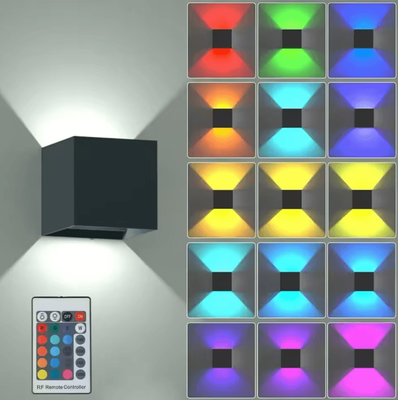
Inspire Curations 3W RGB Remote Control Up Down LED Wall Light black rgb abs PlasticsTransform ordinary walls with this RGB LED wall light, designed to bring colorful atmosphere and modern style into your indoor spaces. Its upanddown lighting effect creates eyecatching patterns while adding depth to bedrooms, living rooms, gaming...73,00 $*Shipping: 0,00 $Secure redirect to the provider
-
Inspired Finds Smart Cat Odor Purifier Rechargeable Litter Box Deodorizer Pet Air Purifier Smart Cat Odor Purifier Rechargeable Litter Box Deodorizer Pet Air PurifierKeep your home smelling fresh even with multiple pets thanks to this smart cat odor purifier designed for litter boxes, pet toilets, and small spaces. This compact device quietly works in the background to neutralize smells instead of just masking...99,99 $*Shipping: 0,00 $Secure redirect to the provider
-
Lush Living Finds Pulp Plastics Paper Snowflake Ornaments, White Glitter Raw Decor, Christmas Venue Decoration white 12pcsTransform your festive setup with these elegant 12Pcs White Glitter Raw Pulp Plastics Paper Snowflake ornaments. Designed to bring a magical winter feel to any space, these delicate snowflakes offer a charming blend of sparkle, texture, and seasonal...31,97 $*Shipping: 0,00 $Secure redirect to the provider
-
Uplift Essentials Solar Outdoor Lights Waterproof Landscape Lighting (10 Pack) plastics warm LightTransform your homes curb appeal instantly with this Solar Outdoor Lights Waterproof set. Designed to bring a sophisticated and welcoming glow to your exterior spaces, these lights are the ultimate solution for Pathway, Patio, and Yard Decoration....107,97 $*Shipping: 0,00 $Secure redirect to the provider



-
How are plastics properly explained?
Plastics are typically explained as synthetic materials made from polymers, which are long chains of molecules. These polymers can be molded and shaped into a wide variety of products, making plastics versatile and useful in many industries. Plastics are further categorized based on their properties, such as thermoplastics and thermosetting plastics, which determine their behavior when exposed to heat. Understanding the composition, properties, and uses of plastics is essential for proper explanation and utilization of these materials in various applications. **
-
What are plastics in chemistry?
Plastics are a group of synthetic materials made from polymers, which are long chains of molecules. These polymers are derived from petrochemicals and can be molded into various shapes and forms. Plastics are versatile materials that are used in a wide range of applications due to their durability, lightweight, and low cost. However, their non-biodegradable nature has led to environmental concerns regarding their disposal and impact on ecosystems. **
-
How do you remove plastics?
To remove plastics, you can start by reducing your use of single-use plastics and opting for reusable alternatives. You can also recycle any plastic items that you no longer need by sorting them and placing them in the appropriate recycling bins. Additionally, participating in beach or community clean-up events can help remove plastics from the environment. Finally, supporting policies and initiatives that aim to reduce plastic pollution can also contribute to the removal of plastics from the environment. **
-
How can one represent plastics?
Plastics can be represented in various ways, such as through visual images, physical samples, or data charts. Visual representations can include photographs or illustrations of plastic products, manufacturing processes, or environmental impacts. Physical samples of different types of plastics can be used to demonstrate their properties and applications. Data charts and graphs can also be used to represent information about plastic production, consumption, recycling rates, and environmental effects. Overall, representing plastics effectively involves using a combination of visual, physical, and data-driven methods to convey information about this versatile and widely used material. **


How could a presentation exam on environmental pollution caused by plastics in chemistry look like?
A presentation exam on environmental pollution caused by plastics in chemistry could involve students researching and presenting on the various types of plastics, their chemical composition, and their impact on the environment. Students could be asked to explore the processes of plastic production, usage, and disposal, and the resulting pollution in water bodies, soil, and air. They could also be required to propose potential solutions and alternatives to reduce plastic pollution, such as biodegradable plastics or recycling initiatives. The exam could also include a component where students discuss the role of chemistry in developing sustainable materials and technologies to mitigate plastic pollution. **
What is approximately recyclable in plastics?
Approximately 9% of all plastic ever produced has been recycled. This low percentage is due to various factors such as contamination, lack of recycling infrastructure, and the complexity of sorting different types of plastics. However, advancements in technology and increased awareness about the importance of recycling are helping to improve these rates. It is important for individuals and businesses to continue to prioritize recycling plastics to reduce waste and protect the environment. **
Top-Angebote
Products related to Plastics:
-
Uplift Essentials Solar Outdoor Lights Waterproof Landscape Lighting (10 Pack) plastics white LightTransform your homes curb appeal instantly with this Solar Outdoor Lights Waterproof set. Designed to bring a sophisticated and welcoming glow to your exterior spaces, these lights are the ultimate solution for Pathway, Patio, and Yard Decoration....107,97 $*Shipping: 0,00 $Secure redirect to the provider
-
Baba Air PurifierYour baby deserves clean air at home. Thanks to the *NEW* BEABA Air Purifier, the first in its class designed for the baby-care market, you can make your nursery a safe and healthy space for your baby with the click of a button. Advanced 4-Stage...229,95 $*Shipping: 0,00 $Secure redirect to the provider
-
Inspire Curations 3W RGB Remote Control Up Down LED Wall Light black rgb abs PlasticsTransform ordinary walls with this RGB LED wall light, designed to bring colorful atmosphere and modern style into your indoor spaces. Its upanddown lighting effect creates eyecatching patterns while adding depth to bedrooms, living rooms, gaming...73,00 $*Shipping: 0,00 $Secure redirect to the provider
-
Inspired Finds Smart Cat Odor Purifier Rechargeable Litter Box Deodorizer Pet Air Purifier Smart Cat Odor Purifier Rechargeable Litter Box Deodorizer Pet Air PurifierKeep your home smelling fresh even with multiple pets thanks to this smart cat odor purifier designed for litter boxes, pet toilets, and small spaces. This compact device quietly works in the background to neutralize smells instead of just masking...99,99 $*Shipping: 0,00 $Secure redirect to the provider
-
What are semi-synthetic plastics and synthetic plastics?
Semi-synthetic plastics are materials that are derived from natural polymers, such as cellulose or starch, and then chemically modified to improve their properties. Examples of semi-synthetic plastics include cellulose acetate and rayon. On the other hand, synthetic plastics are entirely man-made materials produced from chemical reactions involving petroleum-based or other synthetic polymers. Examples of synthetic plastics include polyethylene, polypropylene, and polystyrene. Both semi-synthetic and synthetic plastics are widely used in various industries due to their versatility and durability. **
-
What are plastics? What are the differences between thermoplastics and thermosetting plastics?
Plastics are synthetic materials made from polymers, which are long chains of molecules. They are lightweight, durable, and can be molded into various shapes, making them ideal for a wide range of applications. The main difference between thermoplastics and thermosetting plastics lies in their response to heat. Thermoplastics can be melted and reshaped multiple times without undergoing any chemical change, while thermosetting plastics undergo a chemical reaction when heated and cannot be reshaped once they have been set. This means that thermoplastics are recyclable, while thermosetting plastics are not. **
-
How are plastics properly explained?
Plastics are typically explained as synthetic materials made from polymers, which are long chains of molecules. These polymers can be molded and shaped into a wide variety of products, making plastics versatile and useful in many industries. Plastics are further categorized based on their properties, such as thermoplastics and thermosetting plastics, which determine their behavior when exposed to heat. Understanding the composition, properties, and uses of plastics is essential for proper explanation and utilization of these materials in various applications. **
-
What are plastics in chemistry?
Plastics are a group of synthetic materials made from polymers, which are long chains of molecules. These polymers are derived from petrochemicals and can be molded into various shapes and forms. Plastics are versatile materials that are used in a wide range of applications due to their durability, lightweight, and low cost. However, their non-biodegradable nature has led to environmental concerns regarding their disposal and impact on ecosystems. **
Similar search terms for Plastics
-
Lush Living Finds Pulp Plastics Paper Snowflake Ornaments, White Glitter Raw Decor, Christmas Venue Decoration white 12pcsTransform your festive setup with these elegant 12Pcs White Glitter Raw Pulp Plastics Paper Snowflake ornaments. Designed to bring a magical winter feel to any space, these delicate snowflakes offer a charming blend of sparkle, texture, and seasonal...31,97 $*Shipping: 0,00 $Secure redirect to the provider
-
Uplift Essentials Solar Outdoor Lights Waterproof Landscape Lighting (10 Pack) plastics warm LightTransform your homes curb appeal instantly with this Solar Outdoor Lights Waterproof set. Designed to bring a sophisticated and welcoming glow to your exterior spaces, these lights are the ultimate solution for Pathway, Patio, and Yard Decoration....107,97 $*Shipping: 0,00 $Secure redirect to the provider
-
Inspire Curations 3W RGB Remote Control Up Down LED Wall Light white rgb abs PlasticsTransform ordinary walls with this RGB LED wall light, designed to bring colorful atmosphere and modern style into your indoor spaces. Its upanddown lighting effect creates eyecatching patterns while adding depth to bedrooms, living rooms, gaming...85,00 $*Shipping: 0,00 $Secure redirect to the provider
-
Lush Living Finds Pulp Plastics Paper Snowflake Ornaments, White Glitter Raw Decor, Christmas Venue Decoration green 12pcsTransform your festive setup with these elegant 12Pcs White Glitter Raw Pulp Plastics Paper Snowflake ornaments. Designed to bring a magical winter feel to any space, these delicate snowflakes offer a charming blend of sparkle, texture, and seasonal...31,97 $*Shipping: 0,00 $Secure redirect to the provider
-
How do you remove plastics?
To remove plastics, you can start by reducing your use of single-use plastics and opting for reusable alternatives. You can also recycle any plastic items that you no longer need by sorting them and placing them in the appropriate recycling bins. Additionally, participating in beach or community clean-up events can help remove plastics from the environment. Finally, supporting policies and initiatives that aim to reduce plastic pollution can also contribute to the removal of plastics from the environment. **
-
How can one represent plastics?
Plastics can be represented in various ways, such as through visual images, physical samples, or data charts. Visual representations can include photographs or illustrations of plastic products, manufacturing processes, or environmental impacts. Physical samples of different types of plastics can be used to demonstrate their properties and applications. Data charts and graphs can also be used to represent information about plastic production, consumption, recycling rates, and environmental effects. Overall, representing plastics effectively involves using a combination of visual, physical, and data-driven methods to convey information about this versatile and widely used material. **
-
How could a presentation exam on environmental pollution caused by plastics in chemistry look like?
A presentation exam on environmental pollution caused by plastics in chemistry could involve students researching and presenting on the various types of plastics, their chemical composition, and their impact on the environment. Students could be asked to explore the processes of plastic production, usage, and disposal, and the resulting pollution in water bodies, soil, and air. They could also be required to propose potential solutions and alternatives to reduce plastic pollution, such as biodegradable plastics or recycling initiatives. The exam could also include a component where students discuss the role of chemistry in developing sustainable materials and technologies to mitigate plastic pollution. **
-
What is approximately recyclable in plastics?
Approximately 9% of all plastic ever produced has been recycled. This low percentage is due to various factors such as contamination, lack of recycling infrastructure, and the complexity of sorting different types of plastics. However, advancements in technology and increased awareness about the importance of recycling are helping to improve these rates. It is important for individuals and businesses to continue to prioritize recycling plastics to reduce waste and protect the environment. **
* All prices are inclusive of VAT and, if applicable, plus shipping costs. The offer information is based on the details provided by the respective shop and is updated through automated processes. Real-time updates do not occur, so deviations can occur in individual cases. ** Note: Parts of this content were created by AI.