Buy indiaozone.com ?
We are moving the project
indiaozone.com .
Are you interested in purchasing the domain
indiaozone.com ?
domain@kv-gmbh.de · 0541-91531010
Buy indiaozone.com ?
How does manorialism work?
Manorialism was a system that developed in medieval Europe where land was divided into manors controlled by a lord. The lord provided land and protection to serfs, who in return worked the land and paid taxes to the lord. Serfs were tied to the land and could not leave without the lord's permission. This system allowed for the production of food and goods, as well as the maintenance of a social hierarchy with the lord at the top. **
How is manorialism defined?
Manorialism was a system that dominated the economic and social structure of medieval Europe. It was based on the manor, a large estate owned by a lord, where peasants worked the land in exchange for protection and the right to live on the land. The lord of the manor had significant power and control over the peasants, who were bound to the land and had to provide labor and goods to the lord. Manorialism was a key feature of feudal society and played a crucial role in shaping the relationships between different social classes during the Middle Ages. **

Similar search terms for Manorialism
Top-Angebote
Products related to Manorialism:
-
JML Chillmax Air Pure Chill – Portable Air Cooler & PurifierOverview The JML Chillmax Air Pure Chill is a portable, 3-in-1 cooling solution that keeps you comfortable in hot weather. Combining air cooling, purification, and humidification, it delivers clean, refreshing airflow wherever you need it. With its compact, lightweight design and energy-efficient operation, it’s perfect for home, office, or bedside use. Key Features & Benefits 3-in-1 Functionality – Cools, purifies, and humidifies the air Portable & Compact – Easy to move between rooms or use on a desk Adjustable Airflow – Multiple fan speeds for personalised comfort Energy-Efficient – Low power consumption compared to traditional air conditioners Built-In Air Purification – Helps remove dust and impurities from the air Quiet Operation – Ideal for bedrooms, offices, and relaxation spaces Easy to Use – Simple controls for quick setup and operation Product Description Stay cool and refreshed with the JML Chillmax Air Pure Chill, a portable air cooler that also purifies and humidifies for improved air quality. Perfect for hot summer days, it uses evaporative cooling technology to deliver a natural, refreshing breeze while helping to filter dust and hydrate the air. Its compact design makes it easy to position anywhere, from your desk to your bedside, and its energy-efficient performance ensures low running costs. Quiet, convenient, and versatile, it’s the ideal personal cooling solution for home or work.34,00 £*Shipping: 0,00 £Secure redirect to the provider
-
Hunter HEPAtech Replacement Air Purifier FilterFeatures: HEPAtech filtration removes up to 99.97% of airborne particles as small as 0.3 microns in size including smoke, dust, pollen, pet hair and dander, mold spores and dust mites Recommended to replace every 12 months for maximum efficiency, or...26,99 $*Shipping: 0,00 $Secure redirect to the provider
-
LivePure True HEPA Air Purifier & HumidifierEnjoy cleaner, healthier air and enhanced comfort with the LivePure LP460 Air Purifier & Humidifier Combo, specially designed to create a soothing environment in your bedroom, living room, or office.119,99 $*Shipping: 0,00 $Secure redirect to the provider




-
What is manorialism and feudalism?
Manorialism and feudalism were social and economic systems that developed in medieval Europe. Feudalism was a political and military system in which land was granted by a lord to a vassal in exchange for military service and loyalty. Manorialism was an economic system in which the lord of a manor granted land to peasants in exchange for labor and a portion of the produce. Both systems were based on a hierarchical structure with the king at the top, followed by nobles, knights, and peasants, and they were the dominant social and economic systems in medieval Europe for several centuries. **
-
What is the difference between serfdom and manorialism?
Serfdom and manorialism are related systems that were prevalent in medieval Europe. Manorialism refers to the economic system where peasants worked on a lord's estate in exchange for protection and the use of land. Serfdom, on the other hand, refers to the legal and social status of the peasants who were bound to the land they worked on and were considered the property of the lord. In essence, manorialism is the economic system, while serfdom is the social and legal status of the peasants within that system. **
-
What is the difference between manorialism and feudalism?
Manorialism and feudalism were both systems of social organization in medieval Europe, but they were distinct in their focus and structure. Feudalism was a political and military system in which lords granted land to vassals in exchange for military service and loyalty. Manorialism, on the other hand, was an economic system centered around the manor, where peasants worked the land in exchange for protection and a portion of the crops they produced. While feudalism was more focused on the relationships between lords and vassals, manorialism was more concerned with the relationships between lords and peasants and the production of goods. **
-
What is the history of feudalism and manorialism?
Feudalism and manorialism were social and economic systems that developed in medieval Europe. Feudalism was a political and military system in which land was exchanged for military service and loyalty. Manorialism was an economic system in which peasants worked the land in exchange for protection and the use of land. These systems were interconnected, with feudal lords granting land to vassals in exchange for military service, and the vassals in turn granting land to peasants in exchange for labor and goods. Feudalism and manorialism were dominant in Europe from the 9th to the 15th centuries, and played a crucial role in shaping the social and economic structure of medieval society. **


What is the difference between feudalism and manorialism?
Feudalism and manorialism were both systems that characterized medieval Europe, but they were distinct in their focus and organization. Feudalism was a political and social system that governed the relationships between lords and vassals, based on the exchange of land for military service and loyalty. Manorialism, on the other hand, was an economic system that governed the relationships between lords and peasants, based on the exchange of land for labor and agricultural produce. While feudalism was more concerned with the political and military aspects of medieval society, manorialism was more focused on the economic and agricultural aspects. **
What is the difference between manorialism and serfdom?
Manorialism refers to the economic system in medieval Europe where land was divided into manors controlled by a lord, who provided protection and resources in exchange for labor and goods from the peasants. Serfdom, on the other hand, was the legal and social status of the peasants who worked the land on the manor. Serfs were bound to the land and could not leave without the lord's permission, whereas manorialism refers to the overall system of land ownership and labor relationships. In essence, manorialism was the economic system, while serfdom was the social status of the laborers within that system. **
Top-Angebote
Products related to Manorialism:
-
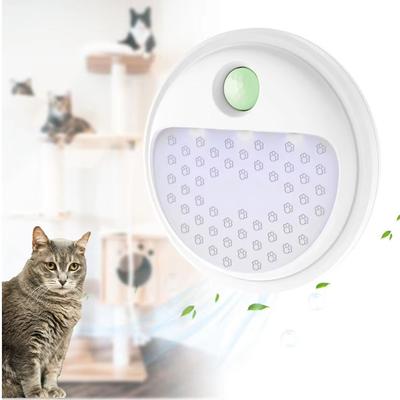
Inspired Finds Smart Cat Odor Purifier Rechargeable Litter Box Deodorizer Pet Air Purifier Smart Cat Odor Purifier Rechargeable Litter Box Deodorizer Pet Air PurifierKeep your home smelling fresh even with multiple pets thanks to this smart cat odor purifier designed for litter boxes, pet toilets, and small spaces. This compact device quietly works in the background to neutralize smells instead of just masking...99,99 $*Shipping: 0,00 $Secure redirect to the provider
-
Monster Cable Filter-Monster Replacement Compatible with Whirlpool Large Air Purifier Kit for Air Purifier ModelsFilter-Monster branded replacement filter kit compatible with Whirlpool Large Air Purifier models AP51030K, AP51030KB, AP45030K, APR45130L, WP500 series and WP1000 series.45,99 $*Shipping: 0,00 $Secure redirect to the provider
-
JML Chillmax Air Pure Chill – Portable Air Cooler & PurifierOverview The JML Chillmax Air Pure Chill is a portable, 3-in-1 cooling solution that keeps you comfortable in hot weather. Combining air cooling, purification, and humidification, it delivers clean, refreshing airflow wherever you need it. With its compact, lightweight design and energy-efficient operation, it’s perfect for home, office, or bedside use. Key Features & Benefits 3-in-1 Functionality – Cools, purifies, and humidifies the air Portable & Compact – Easy to move between rooms or use on a desk Adjustable Airflow – Multiple fan speeds for personalised comfort Energy-Efficient – Low power consumption compared to traditional air conditioners Built-In Air Purification – Helps remove dust and impurities from the air Quiet Operation – Ideal for bedrooms, offices, and relaxation spaces Easy to Use – Simple controls for quick setup and operation Product Description Stay cool and refreshed with the JML Chillmax Air Pure Chill, a portable air cooler that also purifies and humidifies for improved air quality. Perfect for hot summer days, it uses evaporative cooling technology to deliver a natural, refreshing breeze while helping to filter dust and hydrate the air. Its compact design makes it easy to position anywhere, from your desk to your bedside, and its energy-efficient performance ensures low running costs. Quiet, convenient, and versatile, it’s the ideal personal cooling solution for home or work.34,00 £*Shipping: 0,00 £Secure redirect to the provider
-
How does manorialism work?
Manorialism was a system that developed in medieval Europe where land was divided into manors controlled by a lord. The lord provided land and protection to serfs, who in return worked the land and paid taxes to the lord. Serfs were tied to the land and could not leave without the lord's permission. This system allowed for the production of food and goods, as well as the maintenance of a social hierarchy with the lord at the top. **
-
How is manorialism defined?
Manorialism was a system that dominated the economic and social structure of medieval Europe. It was based on the manor, a large estate owned by a lord, where peasants worked the land in exchange for protection and the right to live on the land. The lord of the manor had significant power and control over the peasants, who were bound to the land and had to provide labor and goods to the lord. Manorialism was a key feature of feudal society and played a crucial role in shaping the relationships between different social classes during the Middle Ages. **
-
What is manorialism and feudalism?
Manorialism and feudalism were social and economic systems that developed in medieval Europe. Feudalism was a political and military system in which land was granted by a lord to a vassal in exchange for military service and loyalty. Manorialism was an economic system in which the lord of a manor granted land to peasants in exchange for labor and a portion of the produce. Both systems were based on a hierarchical structure with the king at the top, followed by nobles, knights, and peasants, and they were the dominant social and economic systems in medieval Europe for several centuries. **
-
What is the difference between serfdom and manorialism?
Serfdom and manorialism are related systems that were prevalent in medieval Europe. Manorialism refers to the economic system where peasants worked on a lord's estate in exchange for protection and the use of land. Serfdom, on the other hand, refers to the legal and social status of the peasants who were bound to the land they worked on and were considered the property of the lord. In essence, manorialism is the economic system, while serfdom is the social and legal status of the peasants within that system. **
Similar search terms for Manorialism
-
Hunter HEPAtech Replacement Air Purifier FilterFeatures: HEPAtech filtration removes up to 99.97% of airborne particles as small as 0.3 microns in size including smoke, dust, pollen, pet hair and dander, mold spores and dust mites Recommended to replace every 12 months for maximum efficiency, or...26,99 $*Shipping: 0,00 $Secure redirect to the provider
-
LivePure True HEPA Air Purifier & HumidifierEnjoy cleaner, healthier air and enhanced comfort with the LivePure LP460 Air Purifier & Humidifier Combo, specially designed to create a soothing environment in your bedroom, living room, or office.119,99 $*Shipping: 0,00 $Secure redirect to the provider
-
LivePure True HEPA Air Purifier & HumidifierEnjoy cleaner, healthier air and enhanced comfort with the LivePure LP460 Air Purifier & Humidifier Combo, specially designed to create a soothing environment in your bedroom, living room, or office.119,99 $*Shipping: 0,00 $Secure redirect to the provider
-
What is the difference between manorialism and feudalism?
Manorialism and feudalism were both systems of social organization in medieval Europe, but they were distinct in their focus and structure. Feudalism was a political and military system in which lords granted land to vassals in exchange for military service and loyalty. Manorialism, on the other hand, was an economic system centered around the manor, where peasants worked the land in exchange for protection and a portion of the crops they produced. While feudalism was more focused on the relationships between lords and vassals, manorialism was more concerned with the relationships between lords and peasants and the production of goods. **
-
What is the history of feudalism and manorialism?
Feudalism and manorialism were social and economic systems that developed in medieval Europe. Feudalism was a political and military system in which land was exchanged for military service and loyalty. Manorialism was an economic system in which peasants worked the land in exchange for protection and the use of land. These systems were interconnected, with feudal lords granting land to vassals in exchange for military service, and the vassals in turn granting land to peasants in exchange for labor and goods. Feudalism and manorialism were dominant in Europe from the 9th to the 15th centuries, and played a crucial role in shaping the social and economic structure of medieval society. **
-
What is the difference between feudalism and manorialism?
Feudalism and manorialism were both systems that characterized medieval Europe, but they were distinct in their focus and organization. Feudalism was a political and social system that governed the relationships between lords and vassals, based on the exchange of land for military service and loyalty. Manorialism, on the other hand, was an economic system that governed the relationships between lords and peasants, based on the exchange of land for labor and agricultural produce. While feudalism was more concerned with the political and military aspects of medieval society, manorialism was more focused on the economic and agricultural aspects. **
-
What is the difference between manorialism and serfdom?
Manorialism refers to the economic system in medieval Europe where land was divided into manors controlled by a lord, who provided protection and resources in exchange for labor and goods from the peasants. Serfdom, on the other hand, was the legal and social status of the peasants who worked the land on the manor. Serfs were bound to the land and could not leave without the lord's permission, whereas manorialism refers to the overall system of land ownership and labor relationships. In essence, manorialism was the economic system, while serfdom was the social status of the laborers within that system. **
* All prices are inclusive of VAT and, if applicable, plus shipping costs. The offer information is based on the details provided by the respective shop and is updated through automated processes. Real-time updates do not occur, so deviations can occur in individual cases. ** Note: Parts of this content were created by AI.