Buy indiaozone.com ?
We are moving the project
indiaozone.com .
Are you interested in purchasing the domain
indiaozone.com ?
domain@kv-gmbh.de · 0541-91531010
Buy indiaozone.com ?
What is an electrophilic reaction?
An electrophilic reaction is a type of chemical reaction where an electrophile, which is a species that seeks electrons, reacts with a nucleophile, which is a species that donates electrons. The electrophile accepts a pair of electrons from the nucleophile, leading to the formation of a new chemical bond. This type of reaction is common in organic chemistry and is often used to introduce new functional groups onto a molecule. **
Is water electrophilic or nucleophilic?
Water is considered nucleophilic because it has a lone pair of electrons on the oxygen atom, which can be donated to an electrophile in a chemical reaction. This lone pair of electrons allows water to act as a nucleophile, meaning it can attack positively charged or electron-deficient species in a chemical reaction. **


Similar search terms for Electrophilic
Top-Angebote
Products related to Electrophilic:
-
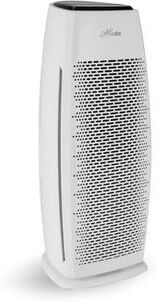
DH Lifelabs Aaira + HEPA Air PurifierThe DH Lifelabs Aaira + HEPA Air Purifier is designed to clean, deodorize and hydrate the air around it using a Hydrochlorous Acid (HOCI) solution made up of non-iodized salt, water and electrolysis. It swiftly eradicates 99.9% of airborne bacteria and viruses found within the air, including such particles as pet dander, pollen, smoke, dust, allergens and odours. It uses a 3-stage filtration system consisting of a pre-filter, a HEPA filter and an activated carbon filter to eliminate particles as small as 0.1 microns for the purest air possible. This Air Purifier can be controlled wirelessly vie the DH Lifelabs app, allowing you to turn it on and set your preferences ready for when you get home, go to bed, wake up, or get to work, depending on where you place it. Due to its larger size, this air purifier can be freestanding on the corner, or it can be placed on a chest of drawers or side table for elevation.Dimensions: 89.3 (H) x 34.7 (W) x 34.7 (D) cm. 4 Fan Speeds - Sleep, 1, 2 and 3. 2 hour, 4 hour and 8 hour timer. Air quality sensor: Blue - Good, Yellow - Moderate, Red - Poor. Operates at Power Consumption: 80 Watts. Weight: 9.7kg (without water).299,99 £*Shipping: 0,00 £Secure redirect to the provider
-
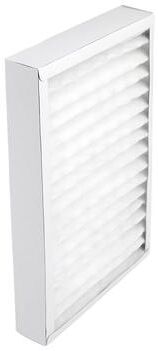
Hunter HEPAtech Replacement Air Purifier FilterFeatures: HEPAtech filtration removes up to 99.97% of airborne particles as small as 0.3 microns in size including smoke, dust, pollen, pet hair and dander, mold spores and dust mites Recommended to replace every 12 months for maximum efficiency, or...26,99 $*Shipping: 0,00 $Secure redirect to the provider



-
What is electrophilic addition in chemistry?
Electrophilic addition is a type of chemical reaction where an electrophile (an electron-deficient species) reacts with a nucleophile (an electron-rich species) to form a new molecule. This reaction typically occurs with unsaturated compounds like alkenes or alkynes, where the pi bond is broken and new sigma bonds are formed. Electrophilic addition reactions are commonly seen in organic chemistry and are important in the synthesis of various organic compounds. **
-
What are nucleophilic and electrophilic reagents?
Nucleophilic reagents are molecules or ions that are electron-rich and are attracted to electron-deficient sites in other molecules. They donate a pair of electrons to form a new covalent bond. Electrophilic reagents, on the other hand, are electron-deficient species that are attracted to electron-rich sites in other molecules. They accept a pair of electrons to form a new covalent bond. Both types of reagents play important roles in organic chemistry reactions by participating in bond formation processes. **
-
What is the electrophilic addition 6?
Electrophilic addition 6 is a chemical reaction in which an electrophile (an electron-deficient species) adds to a double bond, resulting in the formation of two new single bonds. This type of reaction is commonly seen in the addition of hydrogen halides (such as HCl or HBr) to alkenes. The electrophile (in this case, the hydrogen halide) is attracted to the electron-rich double bond and adds across it, breaking the π bond and forming two new σ bonds. This type of reaction is important in organic chemistry for the synthesis of various organic compounds. **
-
Why do aromatics not undergo electrophilic addition?
Aromatics do not undergo electrophilic addition because of their stability and the delocalization of their pi electrons. The delocalized pi electrons in the aromatic ring create a stable electron cloud, making it difficult for electrophiles to attack and break the aromatic system. Instead, aromatics typically undergo electrophilic substitution reactions, where an electrophile substitutes for a hydrogen atom on the aromatic ring, while the aromatic system remains intact. This stability and resistance to electrophilic addition is a key characteristic of aromatic compounds and is a result of their unique bonding and electron distribution. **

Doesn't electrophilic addition always occur during esterification?
No, electrophilic addition does not always occur during esterification. Esterification is a chemical reaction between an alcohol and a carboxylic acid to form an ester and water. This reaction involves the nucleophilic substitution of the hydroxyl group of the alcohol with the carboxyl group of the carboxylic acid, rather than electrophilic addition. The reaction is catalyzed by an acid, such as sulfuric acid or hydrochloric acid, which helps to protonate the hydroxyl group and make it a better leaving group. Therefore, esterification does not involve electrophilic addition. **
What is electrophilic aromatic substitution in double bonds?
Electrophilic aromatic substitution in double bonds is a chemical reaction in which an electrophile (an electron-deficient species) replaces a hydrogen atom on an aromatic ring that contains a double bond. This reaction is similar to electrophilic aromatic substitution in single bonds, but it specifically targets the double bond in the aromatic ring. The electrophile attacks the double bond, forming a new bond and displacing the hydrogen atom. This reaction is important in organic chemistry for the synthesis of various aromatic compounds. **
Top-Angebote
Products related to Electrophilic:
-
Inspired Finds Smart Cat Odor Purifier Rechargeable Litter Box Deodorizer Pet Air Purifier Smart Cat Odor Purifier Rechargeable Litter Box Deodorizer Pet Air PurifierKeep your home smelling fresh even with multiple pets thanks to this smart cat odor purifier designed for litter boxes, pet toilets, and small spaces. This compact device quietly works in the background to neutralize smells instead of just masking...99,99 $*Shipping: 0,00 $Secure redirect to the provider
-
KORIKA SuperFruits Acai Berry - Anti-pollution Sheet Mask sheet mask with detoxifying effect 25 gKORIKA SuperFruits Acai Berry - Anti-pollution Sheet Mask, 25 g, Sheet masks for Women, Does it feel as though your skin isn’t quite right and needs something more than just the care provided by a cream? The KORIKA SuperFruits Acai Berry - Anti-pollution Sheet Mask face mask is the perfect product to enrich your skincare routine – it pampers the skin and delivers an intensive treatment, bringing about an instant improvement in the skin’s appearance. Characteristics: beautifies the appearance of skin in general detoxifies skin How to use: Carefully remove the mask from the packaging and apply to a cleansed face. Leave to act for the time indicated on the packaging.2,81 £*Shipping: 3,99 £Secure redirect to the provider
-
DH Lifelabs Aaira + HEPA Air PurifierThe DH Lifelabs Aaira + HEPA Air Purifier is designed to clean, deodorize and hydrate the air around it using a Hydrochlorous Acid (HOCI) solution made up of non-iodized salt, water and electrolysis. It swiftly eradicates 99.9% of airborne bacteria and viruses found within the air, including such particles as pet dander, pollen, smoke, dust, allergens and odours. It uses a 3-stage filtration system consisting of a pre-filter, a HEPA filter and an activated carbon filter to eliminate particles as small as 0.1 microns for the purest air possible. This Air Purifier can be controlled wirelessly vie the DH Lifelabs app, allowing you to turn it on and set your preferences ready for when you get home, go to bed, wake up, or get to work, depending on where you place it. Due to its larger size, this air purifier can be freestanding on the corner, or it can be placed on a chest of drawers or side table for elevation.Dimensions: 89.3 (H) x 34.7 (W) x 34.7 (D) cm. 4 Fan Speeds - Sleep, 1, 2 and 3. 2 hour, 4 hour and 8 hour timer. Air quality sensor: Blue - Good, Yellow - Moderate, Red - Poor. Operates at Power Consumption: 80 Watts. Weight: 9.7kg (without water).299,99 £*Shipping: 0,00 £Secure redirect to the provider
-
What is an electrophilic reaction?
An electrophilic reaction is a type of chemical reaction where an electrophile, which is a species that seeks electrons, reacts with a nucleophile, which is a species that donates electrons. The electrophile accepts a pair of electrons from the nucleophile, leading to the formation of a new chemical bond. This type of reaction is common in organic chemistry and is often used to introduce new functional groups onto a molecule. **
-
Is water electrophilic or nucleophilic?
Water is considered nucleophilic because it has a lone pair of electrons on the oxygen atom, which can be donated to an electrophile in a chemical reaction. This lone pair of electrons allows water to act as a nucleophile, meaning it can attack positively charged or electron-deficient species in a chemical reaction. **
-
What is electrophilic addition in chemistry?
Electrophilic addition is a type of chemical reaction where an electrophile (an electron-deficient species) reacts with a nucleophile (an electron-rich species) to form a new molecule. This reaction typically occurs with unsaturated compounds like alkenes or alkynes, where the pi bond is broken and new sigma bonds are formed. Electrophilic addition reactions are commonly seen in organic chemistry and are important in the synthesis of various organic compounds. **
-
What are nucleophilic and electrophilic reagents?
Nucleophilic reagents are molecules or ions that are electron-rich and are attracted to electron-deficient sites in other molecules. They donate a pair of electrons to form a new covalent bond. Electrophilic reagents, on the other hand, are electron-deficient species that are attracted to electron-rich sites in other molecules. They accept a pair of electrons to form a new covalent bond. Both types of reagents play important roles in organic chemistry reactions by participating in bond formation processes. **
Similar search terms for Electrophilic
-
Hunter HEPAtech Replacement Air Purifier FilterFeatures: HEPAtech filtration removes up to 99.97% of airborne particles as small as 0.3 microns in size including smoke, dust, pollen, pet hair and dander, mold spores and dust mites Recommended to replace every 12 months for maximum efficiency, or...26,99 $*Shipping: 0,00 $Secure redirect to the provider
-
LivePure True HEPA Air Purifier & HumidifierEnjoy cleaner, healthier air and enhanced comfort with the LivePure LP460 Air Purifier & Humidifier Combo, specially designed to create a soothing environment in your bedroom, living room, or office.119,99 $*Shipping: 0,00 $Secure redirect to the provider
-
What is the electrophilic addition 6?
Electrophilic addition 6 is a chemical reaction in which an electrophile (an electron-deficient species) adds to a double bond, resulting in the formation of two new single bonds. This type of reaction is commonly seen in the addition of hydrogen halides (such as HCl or HBr) to alkenes. The electrophile (in this case, the hydrogen halide) is attracted to the electron-rich double bond and adds across it, breaking the π bond and forming two new σ bonds. This type of reaction is important in organic chemistry for the synthesis of various organic compounds. **
-
Why do aromatics not undergo electrophilic addition?
Aromatics do not undergo electrophilic addition because of their stability and the delocalization of their pi electrons. The delocalized pi electrons in the aromatic ring create a stable electron cloud, making it difficult for electrophiles to attack and break the aromatic system. Instead, aromatics typically undergo electrophilic substitution reactions, where an electrophile substitutes for a hydrogen atom on the aromatic ring, while the aromatic system remains intact. This stability and resistance to electrophilic addition is a key characteristic of aromatic compounds and is a result of their unique bonding and electron distribution. **
-
Doesn't electrophilic addition always occur during esterification?
No, electrophilic addition does not always occur during esterification. Esterification is a chemical reaction between an alcohol and a carboxylic acid to form an ester and water. This reaction involves the nucleophilic substitution of the hydroxyl group of the alcohol with the carboxyl group of the carboxylic acid, rather than electrophilic addition. The reaction is catalyzed by an acid, such as sulfuric acid or hydrochloric acid, which helps to protonate the hydroxyl group and make it a better leaving group. Therefore, esterification does not involve electrophilic addition. **
-
What is electrophilic aromatic substitution in double bonds?
Electrophilic aromatic substitution in double bonds is a chemical reaction in which an electrophile (an electron-deficient species) replaces a hydrogen atom on an aromatic ring that contains a double bond. This reaction is similar to electrophilic aromatic substitution in single bonds, but it specifically targets the double bond in the aromatic ring. The electrophile attacks the double bond, forming a new bond and displacing the hydrogen atom. This reaction is important in organic chemistry for the synthesis of various aromatic compounds. **
* All prices are inclusive of VAT and, if applicable, plus shipping costs. The offer information is based on the details provided by the respective shop and is updated through automated processes. Real-time updates do not occur, so deviations can occur in individual cases. ** Note: Parts of this content were created by AI.