Buy indiaozone.com ?
We are moving the project
indiaozone.com .
Are you interested in purchasing the domain
indiaozone.com ?
domain@kv-gmbh.de · 0541-91531010
Buy indiaozone.com ?
How do glaciers melt?
Glaciers melt primarily due to a combination of rising temperatures and the effects of sunlight. When the air temperature increases, the heat is transferred to the glacier, causing the ice to melt. Additionally, sunlight can also contribute to the melting process by absorbing heat and accelerating the melting of the ice. As the ice melts, the water flows into rivers and oceans, contributing to rising sea levels. This process is exacerbated by climate change, which is causing glaciers to melt at an accelerated rate. **
What functions do glaciers have?
Glaciers play several important functions in the environment. They act as reservoirs of freshwater, storing large amounts of water in the form of ice. Glaciers also help regulate global climate by reflecting sunlight and cooling the Earth's surface. Additionally, they shape the landscape through processes like erosion and deposition, creating unique landforms such as valleys, fjords, and moraines. Overall, glaciers are crucial components of the Earth's system and have a significant impact on both the environment and human societies. **

Similar search terms for Glaciers
Top-Angebote
Products related to Glaciers:
-
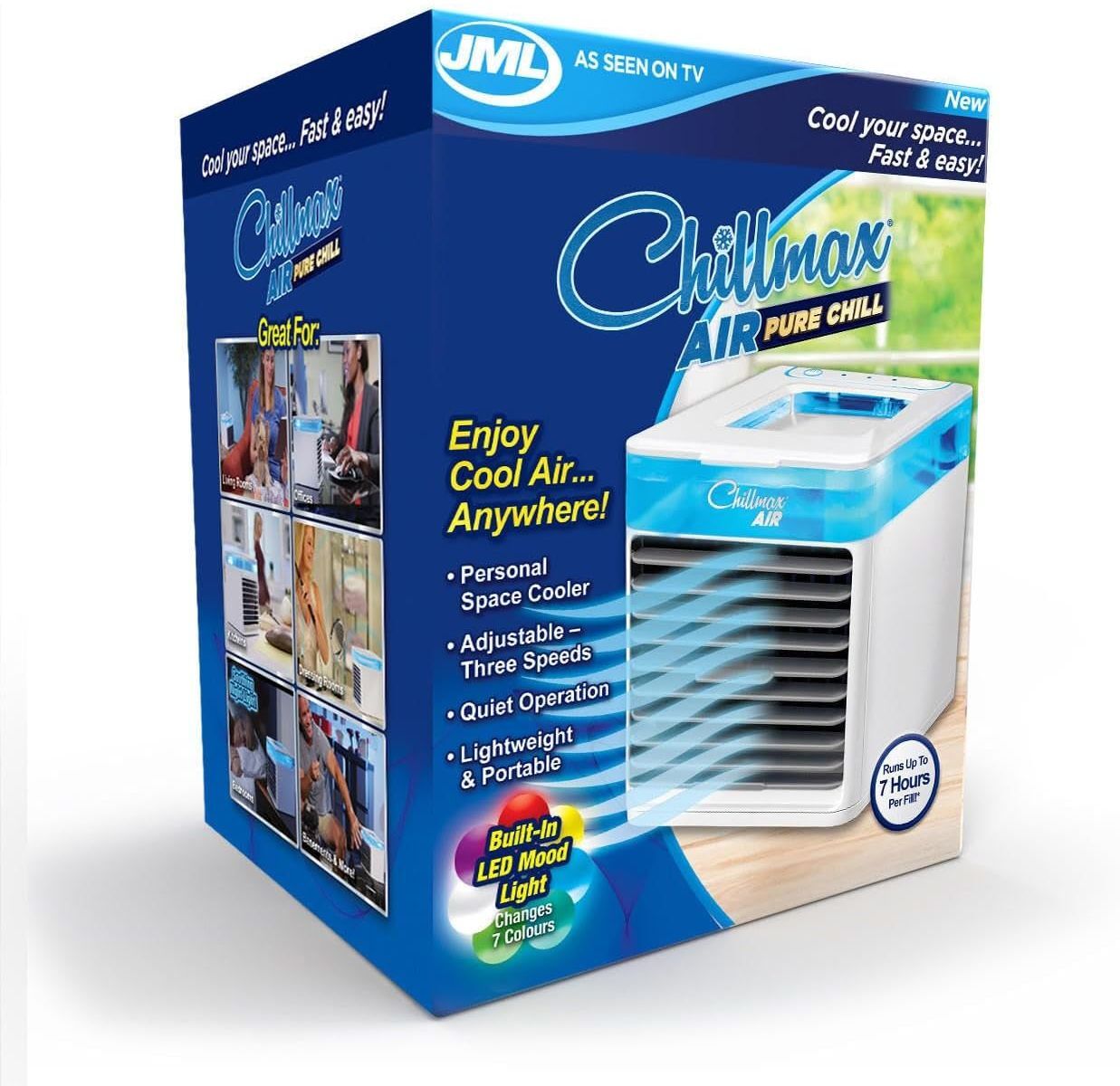
JML Chillmax Air Pure Chill – Portable Air Cooler & PurifierOverview The JML Chillmax Air Pure Chill is a portable, 3-in-1 cooling solution that keeps you comfortable in hot weather. Combining air cooling, purification, and humidification, it delivers clean, refreshing airflow wherever you need it. With its compact, lightweight design and energy-efficient operation, it’s perfect for home, office, or bedside use. Key Features & Benefits 3-in-1 Functionality – Cools, purifies, and humidifies the air Portable & Compact – Easy to move between rooms or use on a desk Adjustable Airflow – Multiple fan speeds for personalised comfort Energy-Efficient – Low power consumption compared to traditional air conditioners Built-In Air Purification – Helps remove dust and impurities from the air Quiet Operation – Ideal for bedrooms, offices, and relaxation spaces Easy to Use – Simple controls for quick setup and operation Product Description Stay cool and refreshed with the JML Chillmax Air Pure Chill, a portable air cooler that also purifies and humidifies for improved air quality. Perfect for hot summer days, it uses evaporative cooling technology to deliver a natural, refreshing breeze while helping to filter dust and hydrate the air. Its compact design makes it easy to position anywhere, from your desk to your bedside, and its energy-efficient performance ensures low running costs. Quiet, convenient, and versatile, it’s the ideal personal cooling solution for home or work.34,00 £*Shipping: 0,00 £Secure redirect to the provider
-
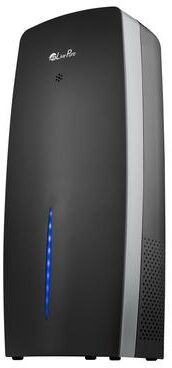
LivePure True HEPA Air Purifier & HumidifierEnjoy cleaner, healthier air and enhanced comfort with the LivePure LP460 Air Purifier & Humidifier Combo, specially designed to create a soothing environment in your bedroom, living room, or office.119,99 $*Shipping: 0,00 $Secure redirect to the provider

-
How can glaciers shape rocks?
Glaciers can shape rocks through a process called glacial erosion. As glaciers move, they pick up rocks and debris, which act as tools to grind and scrape the underlying bedrock. This process can create features such as striations, grooves, and polished surfaces on rocks. Additionally, as glaciers melt, they can deposit the rocks they were carrying, forming landforms like moraines and drumlins. **
-
How can glaciers erode rocks?
Glaciers can erode rocks through a process called plucking and abrasion. Plucking occurs when the glacier freezes onto the rock and then pulls it away as the glacier moves, causing pieces of the rock to be plucked off. Abrasion occurs as the glacier moves and the rocks embedded in the ice scrape against the bedrock, wearing it down over time. These processes can result in the formation of glacial valleys, cirques, and other landforms as the glacier erodes the surrounding rock. **
-
Why are glaciers the Earth's thermometers?
Glaciers are considered the Earth's thermometers because they are sensitive indicators of climate change. As temperatures rise, glaciers melt at a faster rate, and their size and extent decrease. By studying the changes in glaciers, scientists can track variations in temperature over time. Additionally, the composition of the ice in glaciers can provide information about past climate conditions, making them valuable tools for understanding the Earth's climate history. **
-
Under what conditions do glaciers form?
Glaciers form under specific conditions of temperature and precipitation. They require cold temperatures to prevent the snow from melting, and a consistent accumulation of snowfall over time. This snow then compresses into ice, forming a glacier. Glaciers are typically found in polar regions or high mountainous areas where these conditions are met. **

How have glaciers shaped the ground cover?
Glaciers have significantly shaped the ground cover through processes like erosion, deposition, and transportation of sediments. As glaciers move, they scrape and erode the land, creating valleys, fjords, and cirques. The sediments carried by glaciers are deposited as moraines, drumlins, and eskers, altering the landscape. The melting of glaciers also contributes to the formation of lakes and wetlands, further shaping the ground cover. **
What are the different types of glaciers?
There are two main types of glaciers: alpine glaciers and ice sheets. Alpine glaciers are found in mountainous regions and flow down valleys, while ice sheets are massive glaciers that cover large areas of land. Other types of glaciers include tidewater glaciers, which flow into the ocean, and hanging glaciers, which are perched on steep slopes. Each type of glacier has unique characteristics and plays a crucial role in shaping the landscape and influencing climate. **
Top-Angebote
Products related to Glaciers:
-
Inspired Finds Smart Cat Odor Purifier Rechargeable Litter Box Deodorizer Pet Air Purifier Smart Cat Odor Purifier Rechargeable Litter Box Deodorizer Pet Air PurifierKeep your home smelling fresh even with multiple pets thanks to this smart cat odor purifier designed for litter boxes, pet toilets, and small spaces. This compact device quietly works in the background to neutralize smells instead of just masking...99,99 $*Shipping: 0,00 $Secure redirect to the provider
-
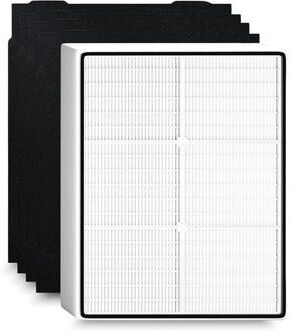
Monster Cable Filter-Monster Replacement Compatible with Whirlpool Large Air Purifier Kit for Air Purifier ModelsFilter-Monster branded replacement filter kit compatible with Whirlpool Large Air Purifier models AP51030K, AP51030KB, AP45030K, APR45130L, WP500 series and WP1000 series.45,99 $*Shipping: 0,00 $Secure redirect to the provider
-
JML Chillmax Air Pure Chill – Portable Air Cooler & PurifierOverview The JML Chillmax Air Pure Chill is a portable, 3-in-1 cooling solution that keeps you comfortable in hot weather. Combining air cooling, purification, and humidification, it delivers clean, refreshing airflow wherever you need it. With its compact, lightweight design and energy-efficient operation, it’s perfect for home, office, or bedside use. Key Features & Benefits 3-in-1 Functionality – Cools, purifies, and humidifies the air Portable & Compact – Easy to move between rooms or use on a desk Adjustable Airflow – Multiple fan speeds for personalised comfort Energy-Efficient – Low power consumption compared to traditional air conditioners Built-In Air Purification – Helps remove dust and impurities from the air Quiet Operation – Ideal for bedrooms, offices, and relaxation spaces Easy to Use – Simple controls for quick setup and operation Product Description Stay cool and refreshed with the JML Chillmax Air Pure Chill, a portable air cooler that also purifies and humidifies for improved air quality. Perfect for hot summer days, it uses evaporative cooling technology to deliver a natural, refreshing breeze while helping to filter dust and hydrate the air. Its compact design makes it easy to position anywhere, from your desk to your bedside, and its energy-efficient performance ensures low running costs. Quiet, convenient, and versatile, it’s the ideal personal cooling solution for home or work.34,00 £*Shipping: 0,00 £Secure redirect to the provider
-
How do glaciers melt?
Glaciers melt primarily due to a combination of rising temperatures and the effects of sunlight. When the air temperature increases, the heat is transferred to the glacier, causing the ice to melt. Additionally, sunlight can also contribute to the melting process by absorbing heat and accelerating the melting of the ice. As the ice melts, the water flows into rivers and oceans, contributing to rising sea levels. This process is exacerbated by climate change, which is causing glaciers to melt at an accelerated rate. **
-
What functions do glaciers have?
Glaciers play several important functions in the environment. They act as reservoirs of freshwater, storing large amounts of water in the form of ice. Glaciers also help regulate global climate by reflecting sunlight and cooling the Earth's surface. Additionally, they shape the landscape through processes like erosion and deposition, creating unique landforms such as valleys, fjords, and moraines. Overall, glaciers are crucial components of the Earth's system and have a significant impact on both the environment and human societies. **
-
How can glaciers shape rocks?
Glaciers can shape rocks through a process called glacial erosion. As glaciers move, they pick up rocks and debris, which act as tools to grind and scrape the underlying bedrock. This process can create features such as striations, grooves, and polished surfaces on rocks. Additionally, as glaciers melt, they can deposit the rocks they were carrying, forming landforms like moraines and drumlins. **
-
How can glaciers erode rocks?
Glaciers can erode rocks through a process called plucking and abrasion. Plucking occurs when the glacier freezes onto the rock and then pulls it away as the glacier moves, causing pieces of the rock to be plucked off. Abrasion occurs as the glacier moves and the rocks embedded in the ice scrape against the bedrock, wearing it down over time. These processes can result in the formation of glacial valleys, cirques, and other landforms as the glacier erodes the surrounding rock. **
Similar search terms for Glaciers
-
LivePure True HEPA Air Purifier & HumidifierEnjoy cleaner, healthier air and enhanced comfort with the LivePure LP460 Air Purifier & Humidifier Combo, specially designed to create a soothing environment in your bedroom, living room, or office.119,99 $*Shipping: 0,00 $Secure redirect to the provider
-
LivePure True HEPA Air Purifier & HumidifierEnjoy cleaner, healthier air and enhanced comfort with the LivePure LP460 Air Purifier & Humidifier Combo, specially designed to create a soothing environment in your bedroom, living room, or office.119,99 $*Shipping: 0,00 $Secure redirect to the provider
-
Why are glaciers the Earth's thermometers?
Glaciers are considered the Earth's thermometers because they are sensitive indicators of climate change. As temperatures rise, glaciers melt at a faster rate, and their size and extent decrease. By studying the changes in glaciers, scientists can track variations in temperature over time. Additionally, the composition of the ice in glaciers can provide information about past climate conditions, making them valuable tools for understanding the Earth's climate history. **
-
Under what conditions do glaciers form?
Glaciers form under specific conditions of temperature and precipitation. They require cold temperatures to prevent the snow from melting, and a consistent accumulation of snowfall over time. This snow then compresses into ice, forming a glacier. Glaciers are typically found in polar regions or high mountainous areas where these conditions are met. **
-
How have glaciers shaped the ground cover?
Glaciers have significantly shaped the ground cover through processes like erosion, deposition, and transportation of sediments. As glaciers move, they scrape and erode the land, creating valleys, fjords, and cirques. The sediments carried by glaciers are deposited as moraines, drumlins, and eskers, altering the landscape. The melting of glaciers also contributes to the formation of lakes and wetlands, further shaping the ground cover. **
-
What are the different types of glaciers?
There are two main types of glaciers: alpine glaciers and ice sheets. Alpine glaciers are found in mountainous regions and flow down valleys, while ice sheets are massive glaciers that cover large areas of land. Other types of glaciers include tidewater glaciers, which flow into the ocean, and hanging glaciers, which are perched on steep slopes. Each type of glacier has unique characteristics and plays a crucial role in shaping the landscape and influencing climate. **
* All prices are inclusive of VAT and, if applicable, plus shipping costs. The offer information is based on the details provided by the respective shop and is updated through automated processes. Real-time updates do not occur, so deviations can occur in individual cases. ** Note: Parts of this content were created by AI.